


Opens in a new tab. Your article title and link are shared only with the AI assistant you choose.
Leaderboard gamification can turn routine tasks into satisfying challenges, but a poorly designed ranking can make capable people give up. Seeing your progress creates a target, whether you are learning, selling, or building healthy habits. The trouble starts when scores reward the wrong behavior or make improvement feel impossible.
Research favors thoughtful design over automatic competition. A 2024 review of educational leaderboards found that results depended heavily on how rankings were built. That matters when asking people to compete.
This guide explains gamified rankings, their formats, benefits, and risks. You will learn to score fairly, select tools, and judge results. The goal is achievable progress for more participants, not only the leaders.
What Is Leaderboard Gamification and How Does It Work?
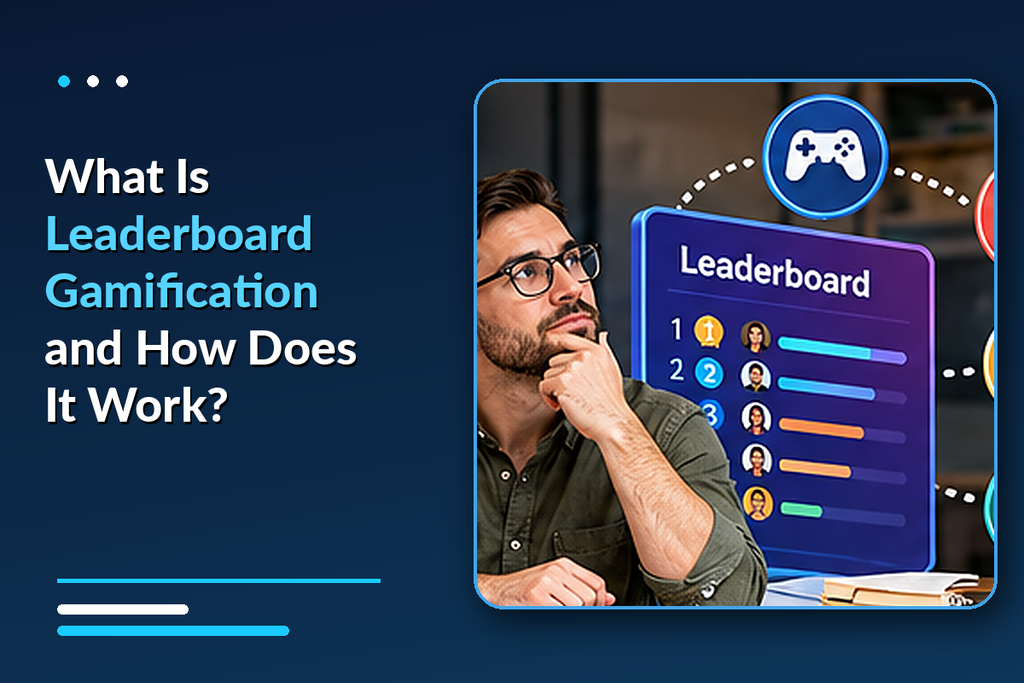
Leaderboard gamification uses rankings to compare people or teams against clearly defined performance measures outside traditional games. Participants earn points for verified actions, such as finishing training, collecting eligible referrals, or completing fitness challenges. Their positions update as results arrive, making progress visible.
A school might reward exercises, while sales teams rank qualified appointments. If you prefer a dedicated tool to sorting spreadsheets, a leaderboard maker that makes every score count is an option to evaluate for your scoring needs. Check current features and privacy controls before uploading sensitive information.
A useful leaderboard needs four foundations:
- A meaningful goal, not simply more activity.
- Clear rules for earning and verifying points.
- Predictable ranking updates and transparent tie-breakers.
- Feedback that helps participants identify their next step.
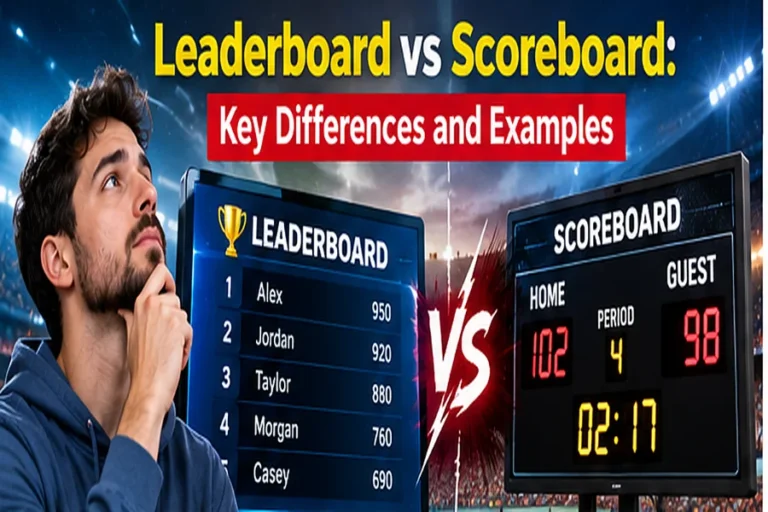
A scoreboard usually reports a single contest, while a leaderboard ranks several participants. A personal tracker compares your latest result with earlier performance. Combining these views can help people compete while recognizing their individual improvement.
Which Ranking Format Fits Your Participants?
Individual boards rank people, while team boards combine contributions. Relative boards show nearby competitors, while tiers group comparable skills. Weekly resets welcome newcomers, and improvement awards recognize personal growth.
Duolingo uses weekly leagues, and CleverConnect documents an employee board showing up to 50 participants with a previous-30-day filter. These are examples of different designs, not settings every organization should copy. Choose a format where participants can realistically improve their positions.
Must-know Tip: Open Loyalty writer Weronika Masternak says, “Leaderboards work because they make progress visible.” Visibility should help participants decide what to do next. If a score communicates status without useful feedback, reconsider what you display.
How to Create a Fair Gamification Leaderboard
Start by identifying the behavior you want, then select a trustworthy way to measure it. Qualified meetings often tell a manager more than call volume, just as finished lessons mean more than page views. Bad metrics teach people to game the system.
Set Rules Before Awarding Points
Imagine awarding two points for training, five for passing an assessment, and eight for a finished assignment. These are illustrative weights, not industry standards. Adjust them for effort, quality, and value.
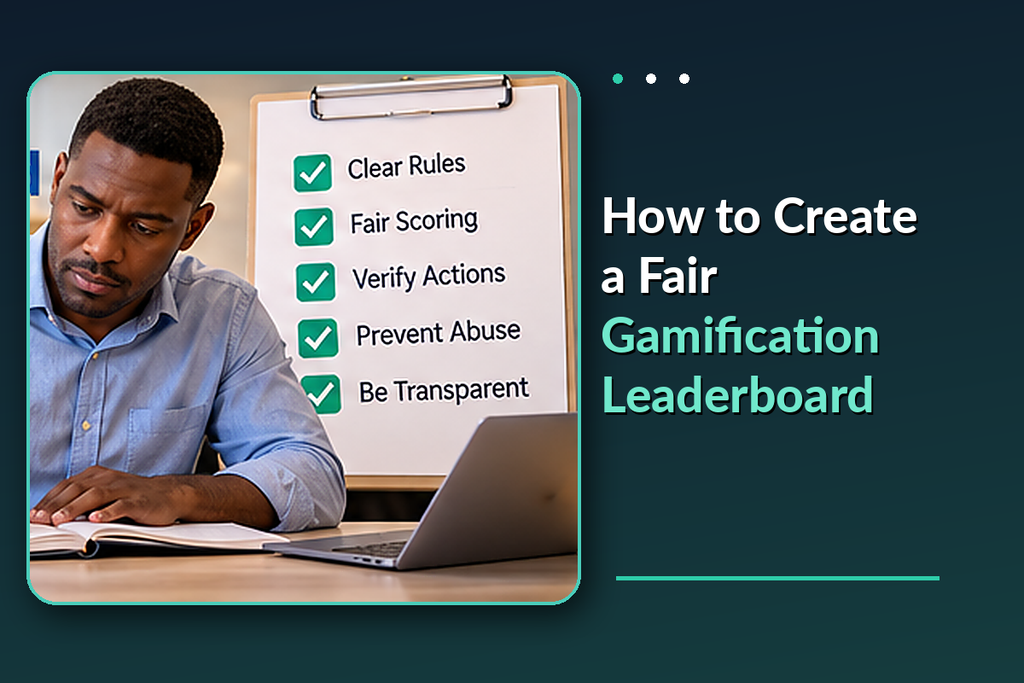
Before launching, confirm these essentials:
- Define eligible activities and evidence required.
- Document point values, deadlines, and tie-breaking rules.
- Limit repetitive actions that earn points without value.
- Assign responsibility for corrections and disputes.
- Test the board with a small, representative group.
Make your rules visible before competition begins. People should know whether cancelled actions lose points and whether redeemed rewards affect their rank. A consistent correction process matters more than decorative badges.
Keep Participation Accessible and Fair
Group participants with comparable opportunity and experience. Offer privacy controls and check mobile and screen-reader accessibility. Recognize improvement so newcomers can succeed without immediately placing first.
A 2024 experiment by Aris Triwahyu and colleagues ran for eight weeks. That duration offers only a limited view of sustained engagement. Review behavior after participants discover which activities earn the most points.
Must-know Tip: Fairness does not mean awarding identical points for every action. It means choosing measures that reflect actual value and giving comparable participants a reasonable chance to improve. If you cannot explain a winning score, revisit the rules.
What Are the Benefits and Risks of Leaderboard Gamification?
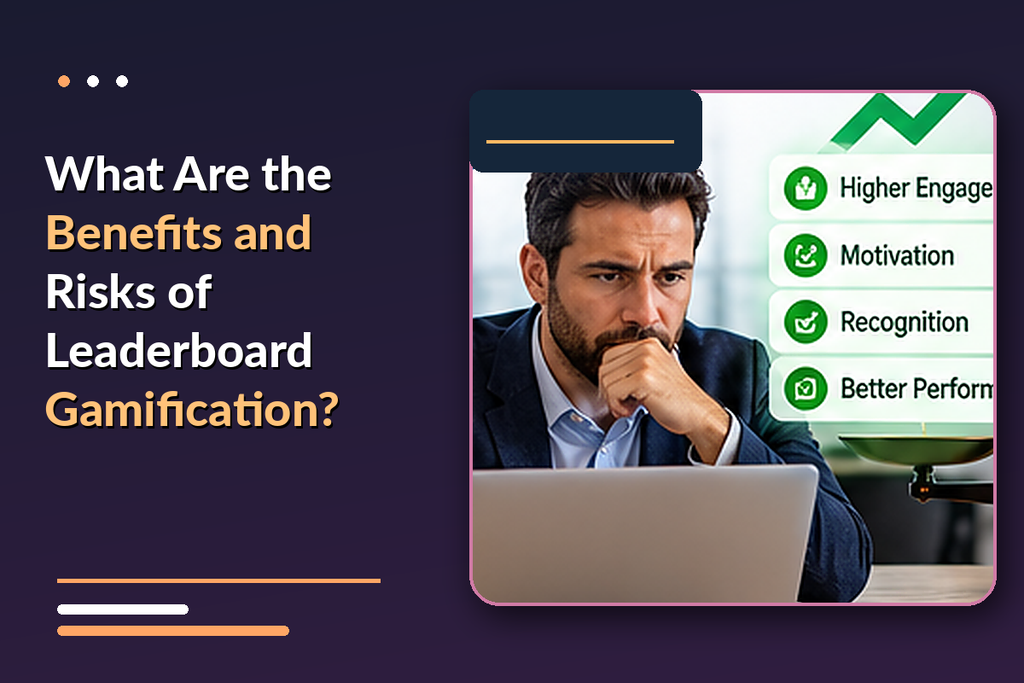
Leaderboards offer recognition, feedback, and reasons to return, but may also create pressure or reward shortcuts. A 2024 systematic review by Chunqi Li and colleagues assessed 20 articles, covering 22 studies and 29 interventions. The researchers found possible benefits, with design strongly influencing outcomes.
A 2024 quasi-experiment studied 94 undergraduates, with 47 students in each comparison group. The leaderboard group’s average performance score was 79.00, versus 75.98 in the group using gamification without leaderboards. The reported difference was statistically significant at p = 0.001, although one course cannot predict results elsewhere.
Broader gamification evidence is informative but not leaderboard-specific. A 2026 meta-analysis of 22 independent studies reported an effect size of Cohen’s d = 1.12. However, its 98.84% heterogeneity indicated substantial differences between studies, making sweeping performance promises inappropriate.
Look for these warning signs:
- Participants stop trying once leaders are far ahead.
- Easy, low-value actions crowd out meaningful work.
- Public rankings expose sensitive personal information.
- Different opportunities produce unfair comparisons.
Must-know Tip: Researcher Chunqi Li and colleagues found that leaderboard effectiveness “largely depends on their designs.” Treat rankings as one component of a supportive activity, not a substitute for useful instruction or management. Pair competition with feedback, coaching, and realistic milestones.
Public boards suit voluntary, low-stakes challenges better than sensitive evaluations in many settings. Private progress reports offer an alternative when a ranking would embarrass participants or reward circumstances beyond their control. Ask your audience how the system feels, but validate those opinions against observed behavior.
How Do You Measure and Improve Leaderboard Performance?

Record a baseline before launch. Measure activity and quality separately so a busy leaderboard does not hide poor results. Compare similar groups rather than crediting every gain to competition.
Track metrics that answer practical questions:
- Participation: Who completes at least one eligible action?
- Progress: Are typical participants improving?
- Quality: Do results meet the required standard?
- Retention: Who returns after the first cycle?
- Fairness: Are disputes and dropouts increasing?
Illustrative Case Study: A Sales Team Revises Its Score
Imagine Michael Clerk managing a sales team where employees initially earn points for every call. The top ranks quickly fill with people making repeated low-quality attempts, while qualified conversations receive little recognition. Michael changes the rules to reward verified meetings and useful follow-ups, then adds an improvement award.
The revised rules favor useful work over volume. Michael compares contest outcomes and checks for unequal territories. This fictional scenario is not evidence of measured revenue gains.
A 2026 mathematics-learning meta-analysis combined 20 earlier meta-analyses involving 688 primary studies and reported an overall effect of g = 0.407 for gamified or game-based learning. These findings concern multiple teaching methods, not standalone leaderboards. They reinforce the need to test actual outcomes before claiming that a ranking increases performance.
Review the leaderboard after every contest, including feedback from participants outside the top positions. Change one major rule at a time and retain an archive of past accomplishments when scores reset. Keep the design only when it supports the behavior you genuinely wanted to encourage.
Conclusion
Leaderboard gamification works best when rankings provide useful feedback and achievable goals instead of celebrating first place alone. Effective systems connect scores to meaningful actions, explain every rule, and offer fair comparisons. They also respect different experience levels, abilities, and privacy needs.
Start with a limited pilot rather than a complicated rewards program. Choose events you can verify, publish tie-breakers, and decide when scores reset. Let participants track personal improvement even if they never lead the table.
Promising research does not guarantee the same result in your classroom, workplace, or app. Monitor participation, work quality, retention, and unintended incentives before raising the stakes. A leaderboard that rewards shortcuts needs redesign, not bigger prizes.
Select one outcome and test a simple format first. Ask both top performers and lower-ranked participants what helps them continue. The questions below address choices before launching a competition.
Frequently Asked Questions About Leaderboard Gamification
What Is a Gamification Leaderboard Example?
A class awards points for completed lessons. Students see weekly rankings. Improvement awards recognize progress beyond first place.
How Is a Leaderboard Different From a Scoreboard?
A leaderboard ranks participants over time. A scoreboard reports a contest’s current score. Both can appear together.
Does Leaderboard Gamification Improve Motivation?
It can motivate some participants. Others may dislike direct comparison. Design and context shape the outcome.
Should a Leaderboard Reset Weekly?
Weekly resets suit short recurring challenges. Monthly cycles allow longer projects. Match the period to the activity.
Can I Create a Leaderboard for Free?
A spreadsheet can rank scores. Some dedicated tools offer free options. Check their current limits and permissions.
How Do You Prevent Leaderboard Cheating?
Verify every qualifying action. Cap repetitive low-value scoring. Publish a clear correction and appeals process.
Are Public or Private Leaderboards Better?
Public boards offer visible recognition. Private boards reduce unnecessary exposure. Choose according to consent and sensitivity.
What Rewards Should a Leaderboard Offer?
Recognize meaningful achievements. Badges and certificates may be enough. Avoid prizes that encourage dangerous shortcuts.
How Do You Motivate Lower-Ranked Participants?
Show nearby competitors and personal bests. Offer attainable milestones. Reset short competitions so newcomers can participate.
Can You Add a Leaderboard to a Website?
Some platforms support embedded displays. Others offer shareable links. Check compatibility, permissions, and mobile readability.


Comments
0 responsesNo comments yet. Be the first to share your thoughts.